Be sure to talk with a healthcare professional to determine the right dose for you
However, it is primarily found in animal-based products, making it difficult for vegans and vegetarians to get adequate levels of B12 through diet alone
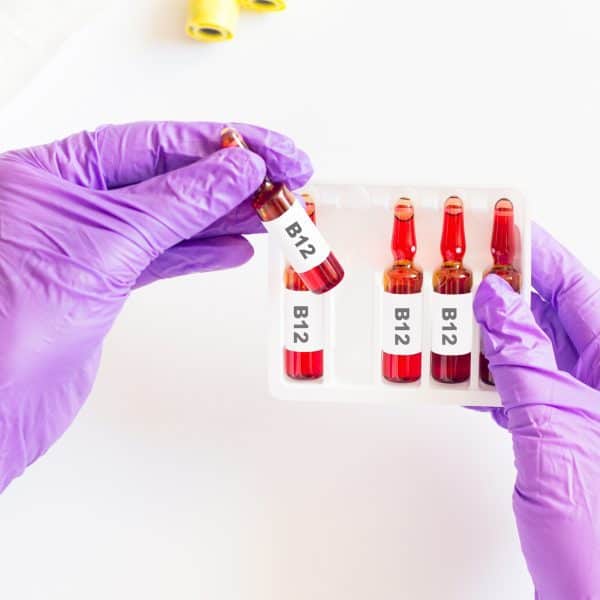
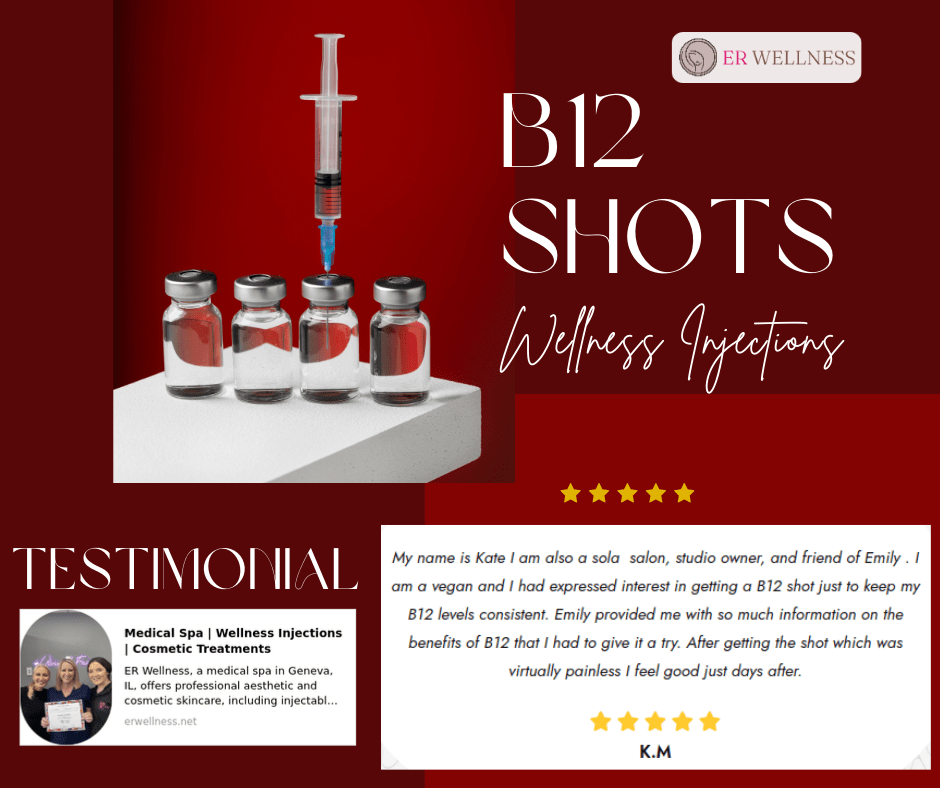
Benefits you may notice Supports your body's natural production of energy from the food you eat Delivered into the muscle, bypassing the digestive steps that limit B12 absorption from pills May help ease the persistent tiredness that comes with running low on B12 Supports healthy nerve function and the production of red blood cells A fast, simple visit that fits easily into a lunch break or busy day An easy nutrient to keep topped up on a regular schedule if your levels tend to run low What to expect 1We start with a brief intake covering your energy, diet, and health history 2Our care team confirms a B12 injection is an appropriate, safe choice for you 3We clean the injection site, usually the upper arm or hip, and give the shot 4You feel a quick pinch and brief pressure, and the injection itself takes only seconds 5Most people are up and on their way within a few minutes of arriving Session length About 1015 minutes Recommended cadence Weekly to monthly, depending on your needs and how you respond Who it's for People who feel persistently tired and may be running low on B12 Those following vegetarian or vegan diets, which tend to be lower in B12 Older adults, who often absorb B12 less efficiently from food Anyone wanting a quick energy-support visit without committing to a full IV Patients who already take a B12 supplement but want more reliable delivery People looking for a simple nutrient shot they can repeat on a regular schedule A calm place to feel better What's in it Vitamin B12 (methylcobalamin or cyanocobalamin), the active form your body uses for energy and nerve health Frequently asked How is a B12 shot different from a B12 pill
YorkTest data shows: 42% of 20-29 year olds that took the test have vitamin D deficiency 55% of females and 40% of males aged 20-29 have low B12 This goes against common knowledge that vitamin B12 and D deficiency increases with age and that diet plays an important role
Your healthcare provider can also evaluate you for other possible causes of a metallic taste in the mouth and treat the underlying problem appropriately
Read on to learn about the top five nutrient supplements and deficiencies that can lead to a metallic taste in your mouth